Health Conditions
Can Ayurveda Help Arthritis? What to Expect from Panchakarma Therapy
An honest, doctor-reviewed look at how Ayurvedic Panchakarma therapy addresses arthritis and joint pain — and what results are realistic to expect.
An honest, doctor-reviewed look at how Ayurvedic Panchakarma therapy addresses arthritis and joint pain — and what results are realistic to expect.
Medically reviewed by Dr. Nirmal P Raj & Dr. Chanthni Nirmal, BAMS, MD (Ayurveda) — Santhwana Siddha Clinic, Chalachal Siddha Varma Vidhyashala
Arthritis is one of the most common reasons people search for Ayurvedic treatment — and one of the areas where Ayurveda has centuries of specific, named protocols rather than generic wellness advice. This guide explains how Ayurveda classifies arthritis, which therapies are actually used, what a real treatment program looks like day to day, and — just as importantly — what Ayurveda can't do.
If you're living with joint pain and considering a trip to Kerala for treatment, understanding this before you book will help you ask the right questions and set realistic expectations.
Ayurveda doesn't have one single word for "arthritis" — it distinguishes between different patterns based on cause and presentation, most commonly:
Sandhivata-pattern and Aamavata-pattern arthritis are treated with different protocols, timing, and dietary guidance — which is why a proper Ayurvedic consultation (not a generic package) should always precede treatment.
Programs are usually built in three phases over 14–21 days:
Several published studies on Panchakarma-based protocols for osteoarthritis of the knee have reported measurable reductions in pain scores and improved joint mobility over 2–4 week programs. However, sample sizes in most of these studies remain small, and Ayurveda should not be presented as more effective than disease-modifying treatment for autoimmune arthritis, where delaying conventional care can allow joint damage to progress.
The most defensible claim, supported by both classical texts and modern studies, is that Ayurvedic Panchakarma therapy can meaningfully reduce pain and stiffness and improve function for many osteoarthritis-pattern patients — not that it reverses joint damage or replaces a rheumatologist's care for autoimmune disease.
If you have a formal arthritis diagnosis, bring your existing reports and medication list to your Ayurvedic consultation. A responsible clinic will coordinate around your existing treatment rather than asking you to discontinue it, and will refer you back to a rheumatologist or orthopedist if your presentation suggests something beyond what Ayurvedic therapy alone can safely address.
Ayurveda has protocols for Aamavata (its closest classification to rheumatoid arthritis), and some patients report symptom relief, but rheumatoid arthritis is an autoimmune condition that requires ongoing disease-modifying treatment. Ayurvedic therapy should be pursued alongside, not instead of, a rheumatologist's care.
Most physicians recommend a minimum 14-day program to see meaningful change, with many patients reporting the most significant improvement toward the end of a 21-day program.
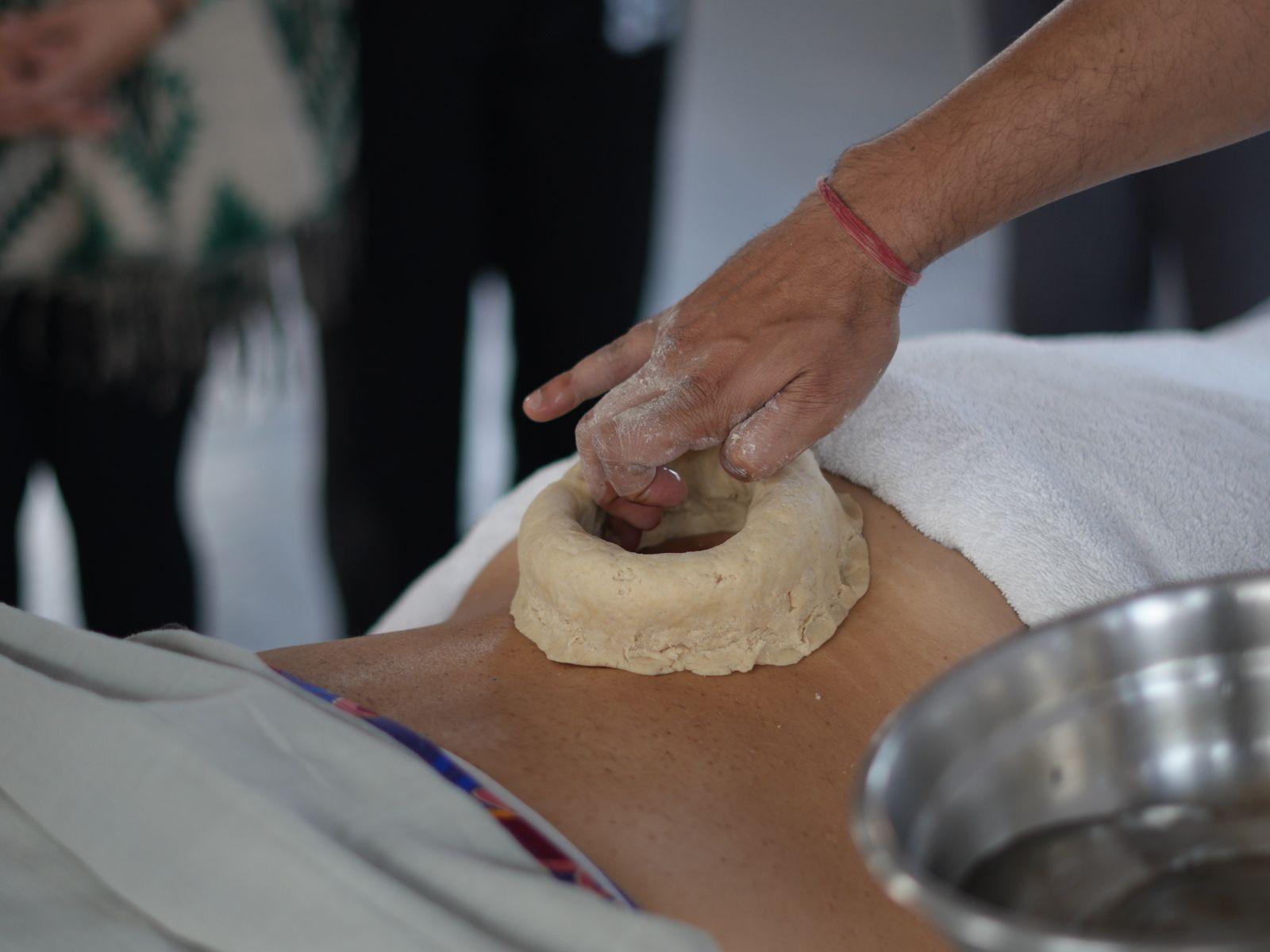
No — therapies like Abhyanga and Njavarakizhi are gentle, warm, and generally described as deeply relaxing. Kati Basti and Basti can feel unfamiliar at first but shouldn't be painful; tell your therapist immediately if anything feels uncomfortable.
Often yes, for managing pain in other joints or supporting recovery, but always disclose your surgical history during your consultation so the physician can adjust the protocol appropriately.
Any existing diagnosis, recent X-rays or scans, your current medication list, and a clear description of when the pain is worst — this helps the physician distinguish between Sandhivata and Aamavata patterns.