Joint & Bone Health
Ayurveda for Arthritis
A whole-body approach to reducing joint pain, stiffness, and inflammation through detoxification and targeted therapies.
A whole-body approach to reducing joint pain, stiffness, and inflammation through detoxification and targeted therapies.
Medically reviewed by Dr. Nirmal P Raj & Dr. Chanthni Nirmal, BAMS, MD (Ayurveda) — Santhwana Siddha Clinic, Chalachal Siddha Varma Vidhyashala
Arthritis covers a group of joint disorders marked by pain, swelling, and reduced mobility. In Ayurveda, most forms of arthritis are linked to an aggravated Vata dosha combined with accumulated toxins (Ama) that settle in the joints. Rather than only masking pain, Ayurvedic treatment aims to cleanse the body of Ama and restore balance so joints can move freely again.
Ayurveda attributes most arthritic conditions to Amavata — the accumulation of undigested metabolic toxins (Ama) that travel through the body and lodge in weaker joints, aggravating Vata dosha. Poor digestion (low Agni), irregular routines, and prolonged exposure to cold or damp conditions are considered key contributing factors.
Full-body detoxification to clear Ama from the system.
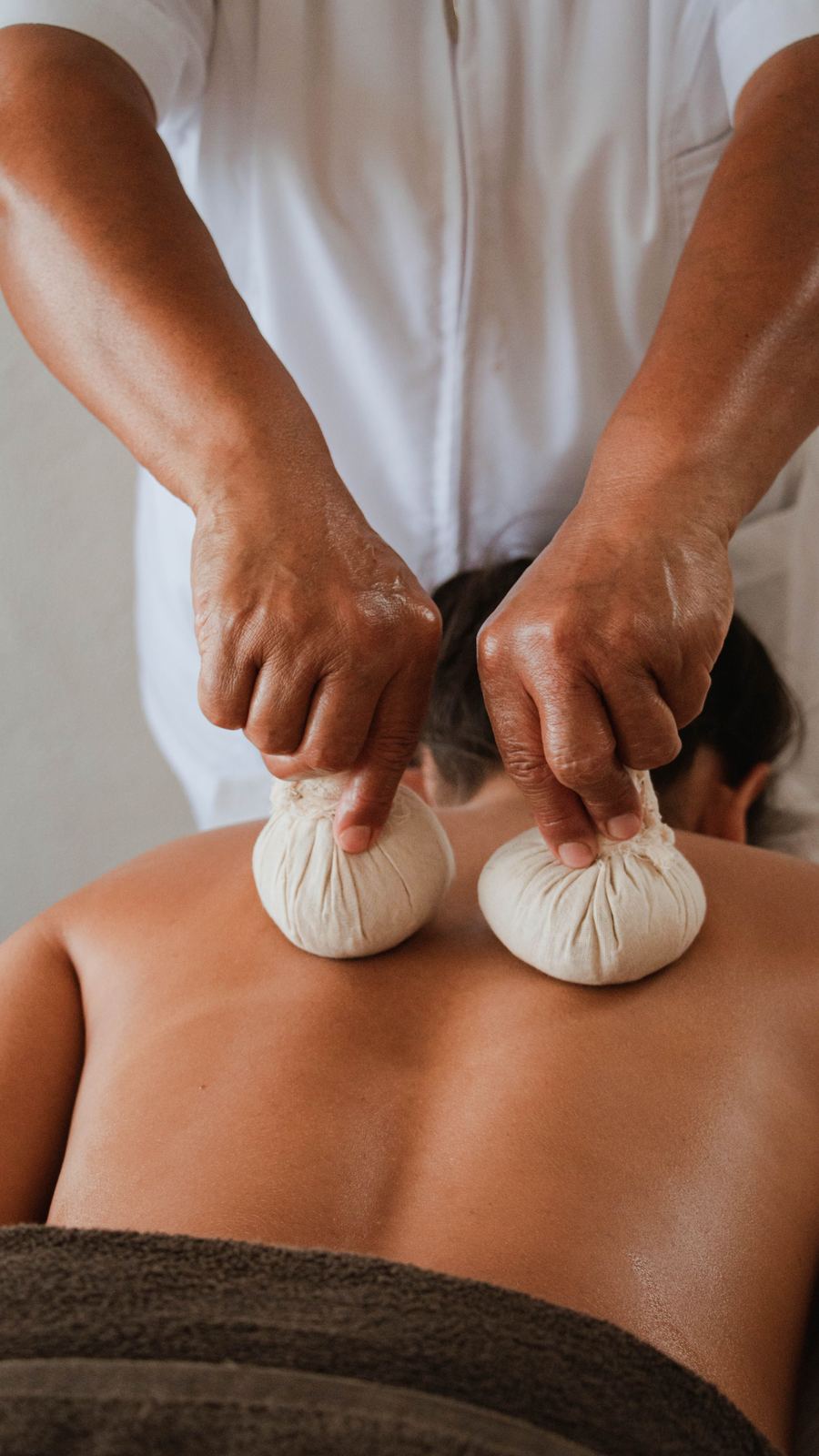
Warm poultice massage with medicated rice to nourish joints and muscles.
Herbal oil massage to improve circulation and reduce stiffness.
Medicated enemas considered the primary treatment for Vata disorders.
Ayurveda cannot reverse structural joint damage, but many patients experience significant, lasting relief from pain, stiffness, and inflammation through Panchakarma and targeted therapies, along with improved mobility and reduced dependence on painkillers.
Most clinics recommend a minimum of 21 days for a complete Panchakarma protocol, with 28 days suggested for chronic or long-standing cases.
Treatments like Njavarakizhi and Abhyanga are generally soothing rather than painful, though some detox procedures can cause mild, temporary discomfort as the body releases toxins.
Yes, with prior medical review. Doctors typically adjust the intensity of therapies based on age, mobility, and existing health conditions.