Treatments
What Really Happens During a Panchakarma Detox? A Day-by-Day Guide
From your first pulse diagnosis to your final rejuvenation therapy — a realistic walkthrough of what a supervised Panchakarma program actually involves.
From your first pulse diagnosis to your final rejuvenation therapy — a realistic walkthrough of what a supervised Panchakarma program actually involves.
Medically reviewed by Dr. Nirmal P Raj & Dr. Chanthni Nirmal, BAMS, MD (Ayurveda) — Santhwana Siddha Clinic, Chalachal Siddha Varma Vidhyashala
Panchakarma is one of the most talked-about and least understood parts of Ayurveda. It's not a single treatment — it's a structured, physician-supervised sequence of procedures designed to remove accumulated toxins (Ama) and restore doshic balance.
This guide walks through what a genuine, classical Panchakarma program looks like day by day, so you know what to expect before you commit two or three weeks of your life to one.
"Panchakarma" translates to "five actions" — five classical cleansing procedures used to remove toxins from the body: Vamana (therapeutic emesis), Virechana (purgation), Basti (medicated enemas), Nasya (nasal administration of herbal oils), and Raktamokshana (bloodletting, rarely used today and only in specific classical indications).
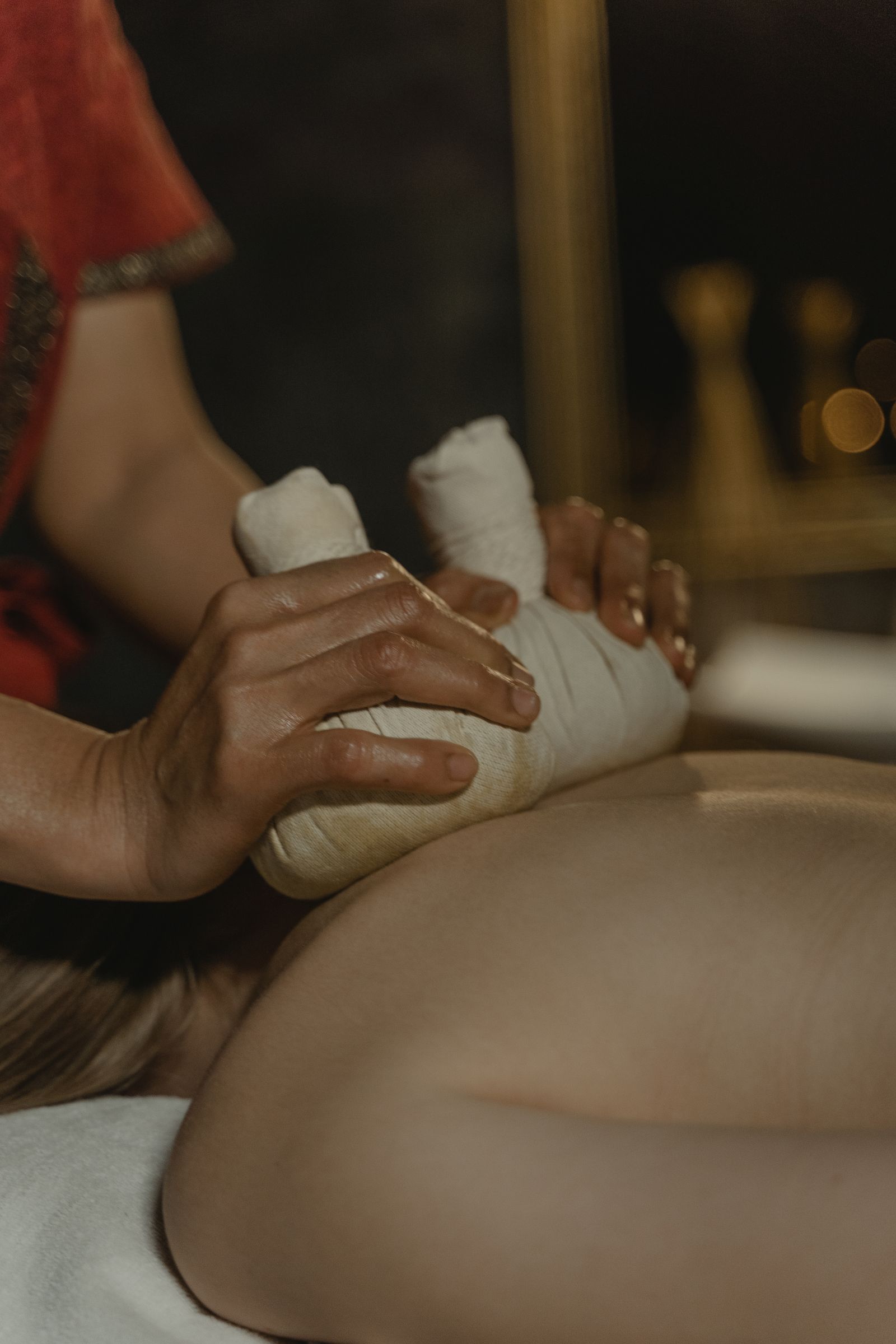
Most modern Panchakarma programs use Basti and Nasya as the core procedures, combined with supporting therapies like Abhyanga and Shirodhara — Vamana and Raktamokshana are used more selectively, only when a physician determines they're specifically indicated.
No responsible Panchakarma program starts with the deep-cleansing procedures on day one. The preparation phase, called Purvakarma, is what makes the rest of the process safe and effective:
It's common — and expected — to feel more tired, mildly congested, or emotionally raw for a day or two during the core treatment phase, sometimes called a "healing crisis" in wellness circles. Ayurvedic physicians see this as toxins mobilizing before elimination, and typically adjust your diet and therapy intensity to manage it. This is different from something being wrong — but you should always report unusual symptoms like fever, severe pain, or dizziness to your physician immediately rather than assuming it's part of the process.
The results of Panchakarma are heavily influenced by how you manage the two weeks immediately afterward, called Rasayana Kala. Your physician will typically prescribe a gradual return to a normal diet (avoiding heavy, cold, or processed foods immediately after treatment), continued gentle routine, and sometimes rejuvenative herbal formulations to consolidate the benefits of the program. Skipping this phase is one of the most common reasons people feel their results "wear off" quickly after returning home.
No — it's contraindicated during pregnancy, for certain acute infections, and for patients with specific cardiac or bleeding conditions unless specifically cleared by a physician. A proper consultation before booking should screen for these before your program is confirmed.
Most physicians recommend a light, sattvic diet (avoiding alcohol, excess caffeine, and heavy processed food) for 3–5 days before arrival, which makes the Purvakarma phase more effective and comfortable.
Light activity is usually fine, but classical Panchakarma is intentionally low-stimulation — most centres recommend against demanding work schedules or extensive sightseeing during the core treatment phase, since rest is part of how the therapy works.
Some water weight and mild change is common due to dietary shifts and internal cleansing, but Panchakarma is not designed as a weight-loss program — if that's your primary goal, tell your physician so they can design the protocol accordingly.
A genuine Panchakarma program requires a qualified Ayurvedic physician (BAMS or higher) to diagnose your dosha and prescribe the specific procedures and duration — if a facility offers a fixed package without an individual consultation first, it's worth asking exactly which of the five procedures are actually included.