Treatments
Shirodhara Explained: Benefits, Process, and What to Expect
What Shirodhara actually is, how it works, and exactly what to expect during your first session — from someone who's seen it done right.
What Shirodhara actually is, how it works, and exactly what to expect during your first session — from someone who's seen it done right.
Medically reviewed by Dr. Nirmal P Raj & Dr. Chanthni Nirmal, BAMS, MD (Ayurveda) — Santhwana Siddha Clinic, Chalachal Siddha Varma Vidhyashala
Shirodhara is probably the most recognizable Ayurvedic therapy outside of India — the image of warm oil streaming continuously over someone's forehead shows up in nearly every wellness magazine feature on Ayurveda. But most of those features skip the actual mechanics of what's happening and why.
This guide covers what Shirodhara is, how it's actually performed, what it's genuinely used for, and what a first-time patient should expect.
Shirodhara (from 'shiro,' meaning head, and 'dhara,' meaning flow) involves a steady, continuous stream of warm medicated oil poured from a suspended vessel onto the forehead, typically at the point Ayurveda associates with the Ajna chakra ('third eye'). The oil is usually sesame or coconut-based, infused with herbs chosen for the patient's specific dosha and condition.
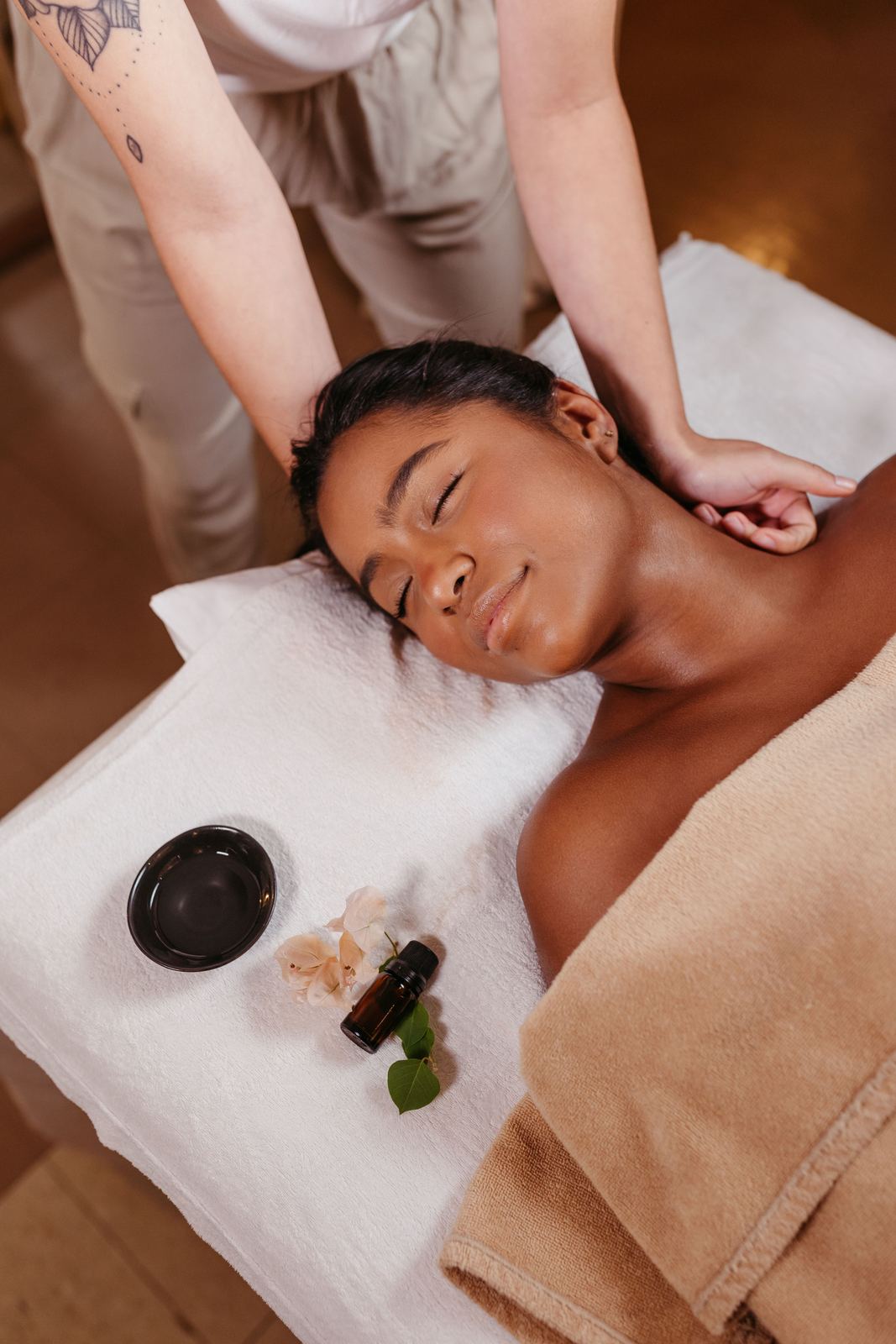
The patient lies comfortably, usually after a brief Abhyanga (oil massage) to warm the body. Warm oil is then poured in a continuous, gently swinging stream across the forehead for 30-45 minutes, maintained at a consistent temperature throughout. The rhythmic, unbroken nature of the flow is considered central to the therapy's calming effect on the nervous system.
Most patients describe the first few minutes as slightly unusual — the sensation of continuous oil flow takes a moment to adjust to — followed by a deeply relaxed, sometimes meditative or trance-like state. It's common to feel drowsy or even fall asleep during the session. Afterward, you'll typically have a short rest period before showering, since the oil needs some time to be absorbed before washing off.
A single session can feel deeply relaxing, but Ayurvedic physicians generally prescribe a course of 7-14 consecutive daily sessions for a lasting therapeutic effect on anxiety, sleep, or stress-related conditions — see our guide on Ayurveda for anxiety and stress for more on what a full program looks like.
Most people find it deeply relaxing after the first few minutes of adjustment. Some describe an initial odd sensation from the continuous oil flow, which typically gives way to a calm, meditative state.
The oil-pouring portion typically lasts 30-45 minutes, but with preparation and rest time afterward, plan for the full appointment to take around 60-75 minutes.
The oil is washed out after each session with a rest period first, though very fine or color-treated hair may need an extra wash to fully remove residue — ask your centre about their recommended aftercare.
It can be booked as a single relaxing treatment, but the therapeutic effect for conditions like anxiety or insomnia is considered cumulative — physicians typically recommend a 7-14 day course for meaningful, lasting change.
It's generally very safe and non-invasive, but should be avoided during active migraines, certain scalp conditions, or immediately after head injury — mention any relevant history during your consultation.