Health Conditions
Ayurveda for Anxiety and Stress: Natural Approaches That Work
A doctor-reviewed look at how Ayurveda addresses anxiety and stress — from Shirodhara to daily routine, and what's realistic to expect.
A doctor-reviewed look at how Ayurveda addresses anxiety and stress — from Shirodhara to daily routine, and what's realistic to expect.
Medically reviewed by Dr. Nirmal P Raj & Dr. Chanthni Nirmal, BAMS, MD (Ayurveda) — Santhwana Siddha Clinic, Chalachal Siddha Varma Vidhyashala
Anxiety and chronic stress are among the most common reasons people first explore Ayurveda, often after finding that conventional treatment alone — therapy, medication, or both — hasn't fully addressed the physical symptoms that come with prolonged stress: disrupted sleep, digestive issues, tension, and fatigue.
This guide explains how Ayurveda approaches anxiety and stress, which therapies are actually used, and how they typically fit alongside conventional mental health care rather than replacing it.
Ayurveda generally attributes anxiety and excess mental stimulation to aggravated Vata affecting the nervous system — consistent with symptoms like racing thoughts, disrupted sleep, and physical restlessness. Irregular daily routine, excess caffeine, screen stimulation, and poor sleep are all considered Vata-aggravating factors that compound the condition. See our full Ayurveda for anxiety and Ayurveda for stress condition guides for more detail.
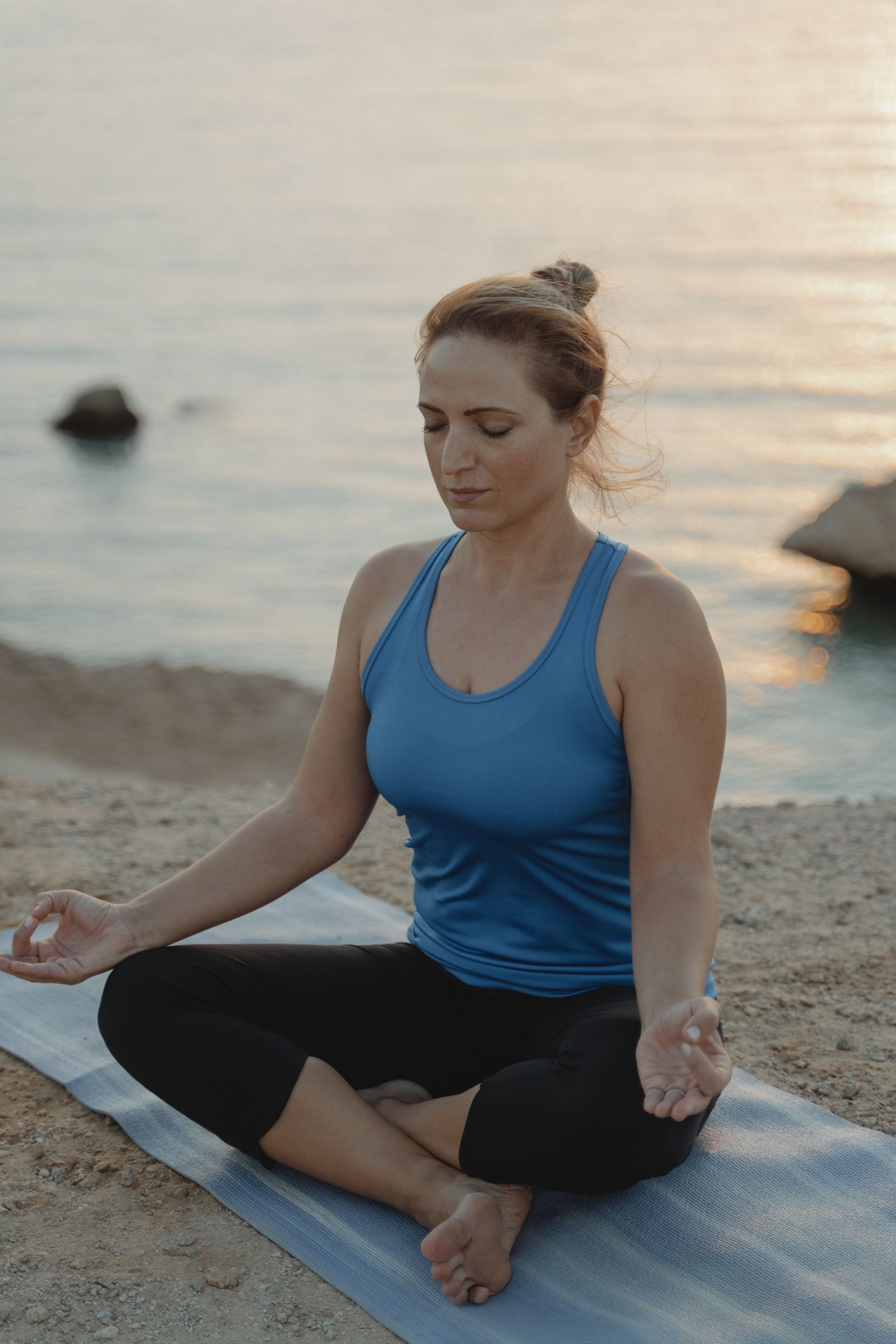
Ayurvedic physicians place significant emphasis on consistent sleep and wake times, regular meal timing, reduced screen stimulation before bed, and daily grounding practices like gentle yoga or meditation — since irregular routine is considered a primary driver of Vata aggravation, independent of any single therapy.
Most stress and anxiety-focused programs run 7-14 days, combining daily Shirodhara and Abhyanga with structured rest, a Vata-pacifying diet, and a personalized daily-routine plan to sustain results after you return home.
Shirodhara specifically has been studied in several smaller clinical trials for anxiety and stress-related conditions, with encouraging results on measures like cortisol levels and self-reported anxiety scores, though sample sizes remain modest. As with other areas of Ayurvedic research, more large-scale studies are needed, but the existing evidence for Shirodhara's calming effect is among the more consistently positive findings in the field.
If you have a diagnosed anxiety disorder or are currently on prescribed medication or in therapy, Ayurvedic treatment should be pursued as a complement, not a replacement. Never stop prescribed anti-anxiety medication without your doctor's guidance, and inform your Ayurvedic physician of your full treatment history so they can design a program that works alongside it.
No — never stop prescribed medication without your doctor's guidance. Ayurvedic treatment is best used alongside conventional mental health care, not as a replacement for a diagnosed condition already under treatment.
Several smaller studies suggest measurable effects beyond just the immediate relaxation, including changes in stress hormone markers, though larger studies are still needed to confirm the size and duration of the effect.
Most physicians recommend a course of 7-14 consecutive daily sessions as part of a broader program, rather than a single treatment, since the calming effect is considered cumulative.
Herb-drug interactions are possible, so always disclose your full medication list to your Ayurvedic physician before beginning any herbal formulation, even if the external therapies like Shirodhara carry lower interaction risk.
This varies significantly by individual and how well daily routine changes are maintained afterward — many patients report sustained benefit for months when they continue the recommended lifestyle practices, while benefits fade faster if old stress patterns return unchanged.