Treatments
Abhyanga Massage: The Complete Guide to Ayurvedic Oil Massage
What Abhyanga actually is, how it differs from a regular spa massage, and what to expect from your first session.
What Abhyanga actually is, how it differs from a regular spa massage, and what to expect from your first session.
Medically reviewed by Dr. Nirmal P Raj & Dr. Chanthni Nirmal, BAMS, MD (Ayurveda) — Santhwana Siddha Clinic, Chalachal Siddha Varma Vidhyashala
Abhyanga is the single most common Ayurvedic therapy — nearly every treatment program, regardless of condition, includes some form of it. That ubiquity sometimes makes people assume it's just a fancy name for a regular oil massage, but the technique, oil selection, and purpose are genuinely different.
This guide covers what makes Abhyanga distinct, what it's actually used for, and what to expect.
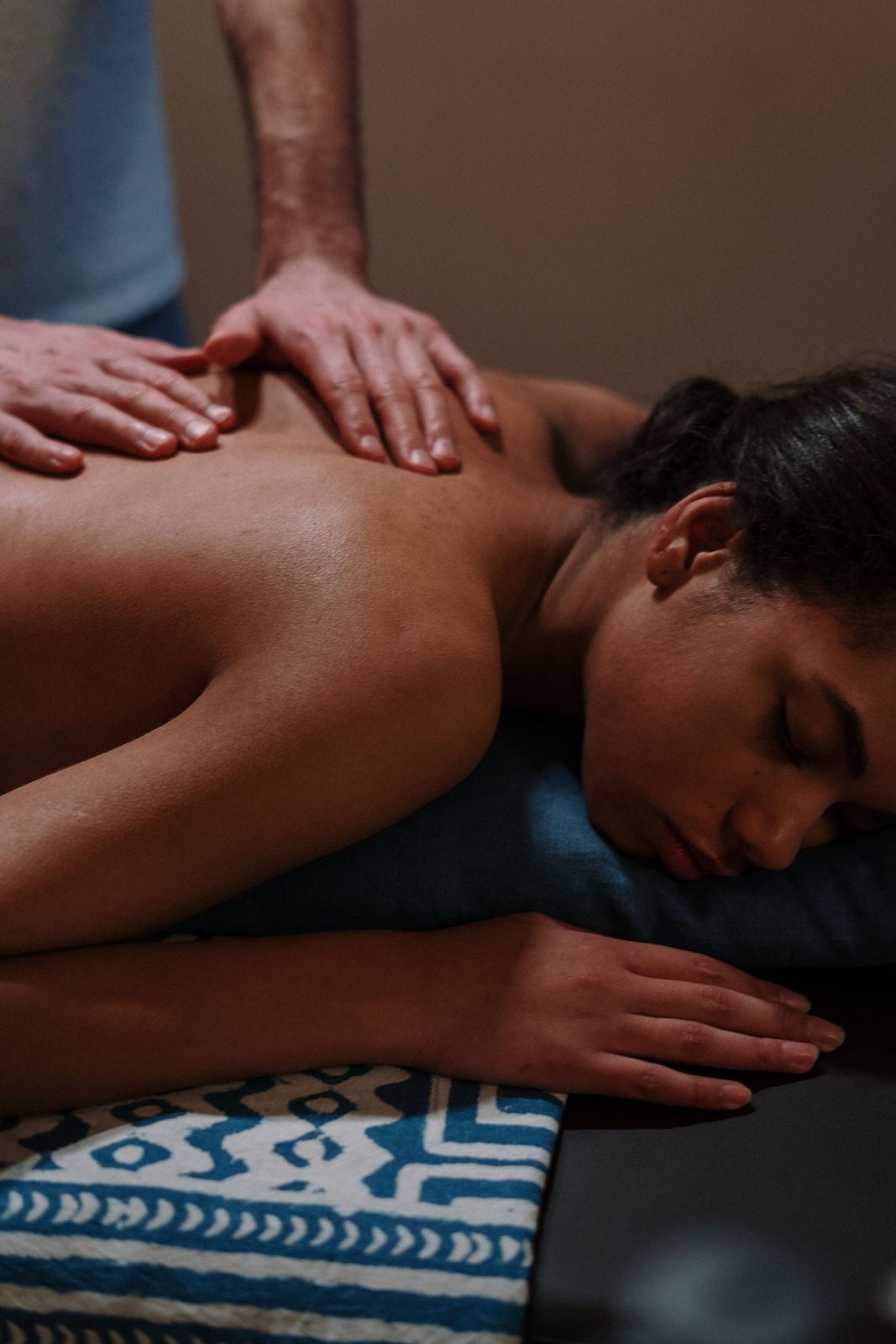
Abhyanga uses generous amounts of warm, herb-infused oil selected specifically for the patient's dosha and condition, applied with long, rhythmic strokes that follow the body's energy pathways (marma points) rather than focusing on deep muscular pressure. The goal is systemic — improving circulation, lubricating joints, and calming the nervous system — rather than targeted muscle release, which is the typical goal of a Western deep-tissue massage.
A classical Abhyanga session often involves two therapists working in synchronized, mirrored strokes across the body, applying warm oil in a specific sequence from head to feet. Sessions typically run 45-60 minutes, sometimes followed by a brief steam (Swedana) to help the oil absorb further into the tissue.
Expect to be fully or mostly undressed with appropriate draping, lying on a wooden treatment table designed to allow oil runoff. The oil is applied warm and liberally, and the session is generally very relaxing rather than intense. A brief rest period and steam often follow, and most centres allow you to shower an hour or so afterward to let the oil absorb.
Abhyanga uses significantly more oil, follows specific energy pathways rather than muscle-focused technique, and is dosha-personalized — the goal is systemic balance rather than targeted muscle tension release.
Yes — a simplified self-massage version using warm sesame or coconut oil is a classical part of daily Ayurvedic routine (Dinacharya), though it won't replicate the full two-therapist clinical version.
Daily, in most structured programs — it's typically the base therapy included every day alongside whatever condition-specific treatments are prescribed.
A modified prenatal version (Garbhini Abhyanga) exists and is used by trained practitioners, but always disclose pregnancy during booking so appropriate adjustments and safe oils are used.
Immediately afterward, yes, though most centres use pleasantly herb-scented oils and provide time before you need to be anywhere formal. A shower an hour or so after treatment removes most residue.