Comparisons
Panchakarma vs Detox Retreats: What's the Difference?
Both promise to 'reset' your body. Here's how a classical Panchakarma program actually differs from a juice-cleanse-style detox retreat.
Both promise to 'reset' your body. Here's how a classical Panchakarma program actually differs from a juice-cleanse-style detox retreat.
Medically reviewed by Dr. Nirmal P Raj & Dr. Chanthni Nirmal, BAMS, MD (Ayurveda) — Santhwana Siddha Clinic, Chalachal Siddha Varma Vidhyashala
"Detox" has become a marketing word attached to everything from juice cleanses to weekend wellness retreats, and it's easy to assume Panchakarma is just an Ayurvedic version of the same thing. It isn't — the two are built on different premises, different timelines, and very different levels of medical oversight.
Understanding the difference matters if you're choosing between a quick juice-cleanse retreat and a genuine, physician-supervised Panchakarma program.
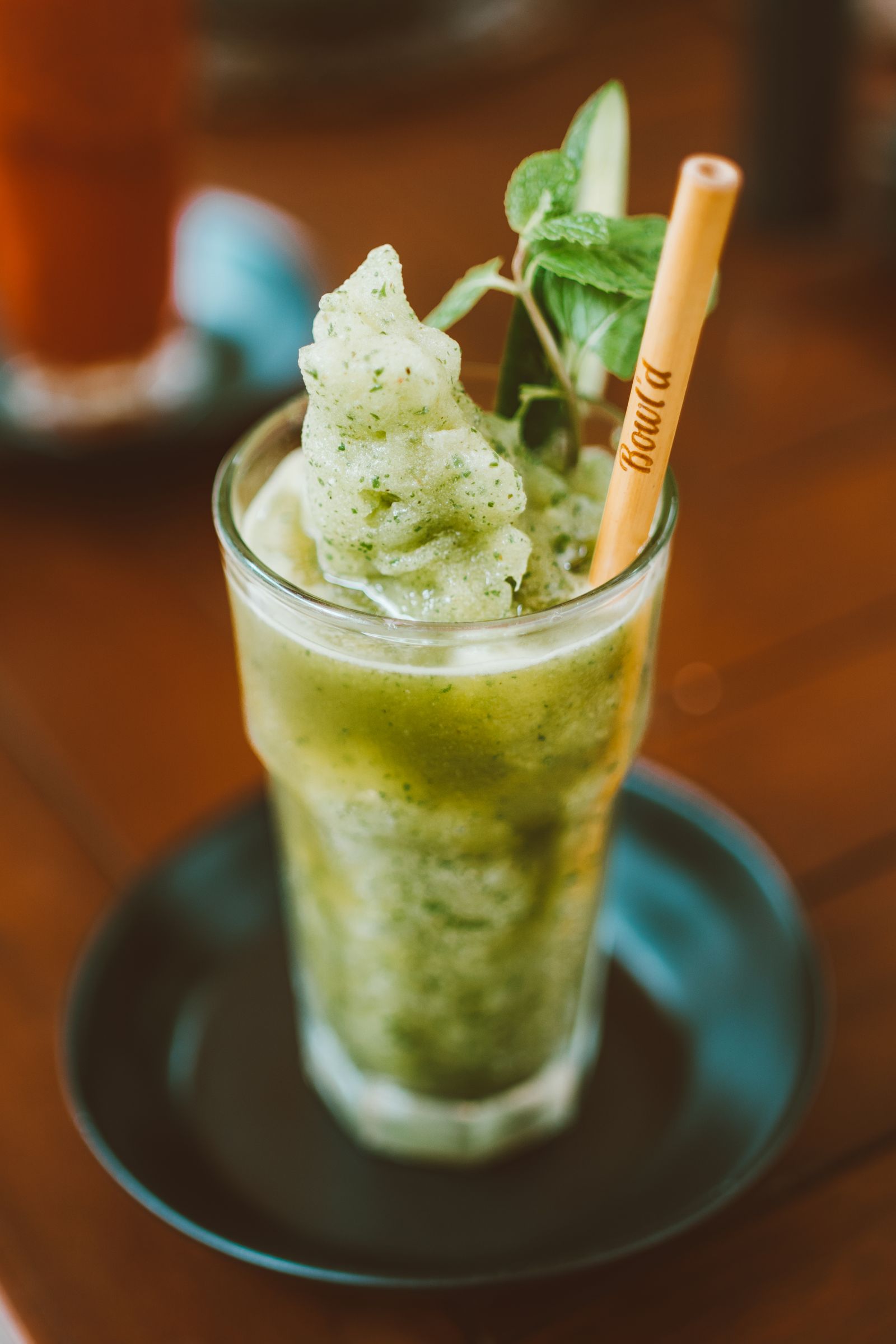
Most commercial "detox retreats" centre on juice fasting, raw food diets, colonics, or a combination, typically over a few days to two weeks. They're usually self-directed — you choose your own program from a menu, without an individualized medical diagnosis driving the plan, and staff are often wellness coaches rather than physicians.
Panchakarma is a structured, physician-supervised sequence of Ayurvedic procedures — see our day-by-day Panchakarma guide for the full breakdown. It starts with a diagnosis of your dosha and current imbalance, and the specific procedures, oils, and duration are prescribed accordingly, not chosen from a fixed menu.
This is the single biggest distinction. A detox retreat lets you pick a package; Panchakarma requires a qualified Ayurvedic physician (BAMS or MD Ayurveda) to diagnose your constitution and design your specific protocol. That difference in oversight directly affects both safety and how tailored the results are to your actual needs.
Juice cleanses typically restrict caloric intake significantly. Ayurvedic treatment protocols, by contrast, usually involve warm, cooked, dosha-appropriate meals rather than fasting or raw juices — the goal is supporting digestion (Agni) rather than starving it, which is a fundamentally different nutritional approach.
Neither is backed by the depth of evidence that conventional medicine has, but they're not equivalent. Extended juice fasting has limited and mixed scientific support, with some research raising concerns about nutrient deficiency in prolonged cleanses. Panchakarma-based protocols have a growing body of smaller clinical studies, particularly for musculoskeletal and stress-related conditions, though larger, high-quality trials are still needed.
Not typically — most Panchakarma protocols involve warm, cooked, dosha-appropriate meals rather than fasting, though some preparatory phases may involve lighter eating as directed by the physician.
This should only be done under your Ayurvedic physician's guidance — self-directed fasting right before a Panchakarma program isn't part of the classical protocol and could interact unpredictably with prescribed procedures.
Neither is designed primarily as a weight-loss program, though both can produce some water-weight change. If weight loss is your main goal, tell your physician so they can design an appropriately focused plan.
Not necessarily — extended fasting without medical supervision carries its own risks, particularly for people with underlying health conditions. "Less intensive" doesn't automatically mean "safer" without oversight.
A supervised Ayurvedic physician may incorporate some dietary lightening as part of your Panchakarma prep phase, but a full juice-cleanse protocol run alongside Panchakarma isn't standard practice and should be discussed with your physician first.