Destinations
Is It Safe to Travel to India for Medical Treatment?
An honest look at health, safety, and practical concerns for international patients — and how to minimize risk before you travel.
An honest look at health, safety, and practical concerns for international patients — and how to minimize risk before you travel.
Medically reviewed by Dr. Nirmal P Raj & Dr. Chanthni Nirmal, BAMS, MD (Ayurveda) — Santhwana Siddha Clinic, Chalachal Siddha Varma Vidhyashala
This is a fair question to ask before committing to international medical travel, and it deserves a straight answer rather than either dismissal or unnecessary alarm. India's medical tourism industry, including Ayurveda, serves hundreds of thousands of international patients, with accredited facilities meeting international standards — but that doesn't mean every concern is unfounded.
This guide covers the practical safety considerations worth knowing, and always check your own government's current travel advisories before booking, since conditions can change.
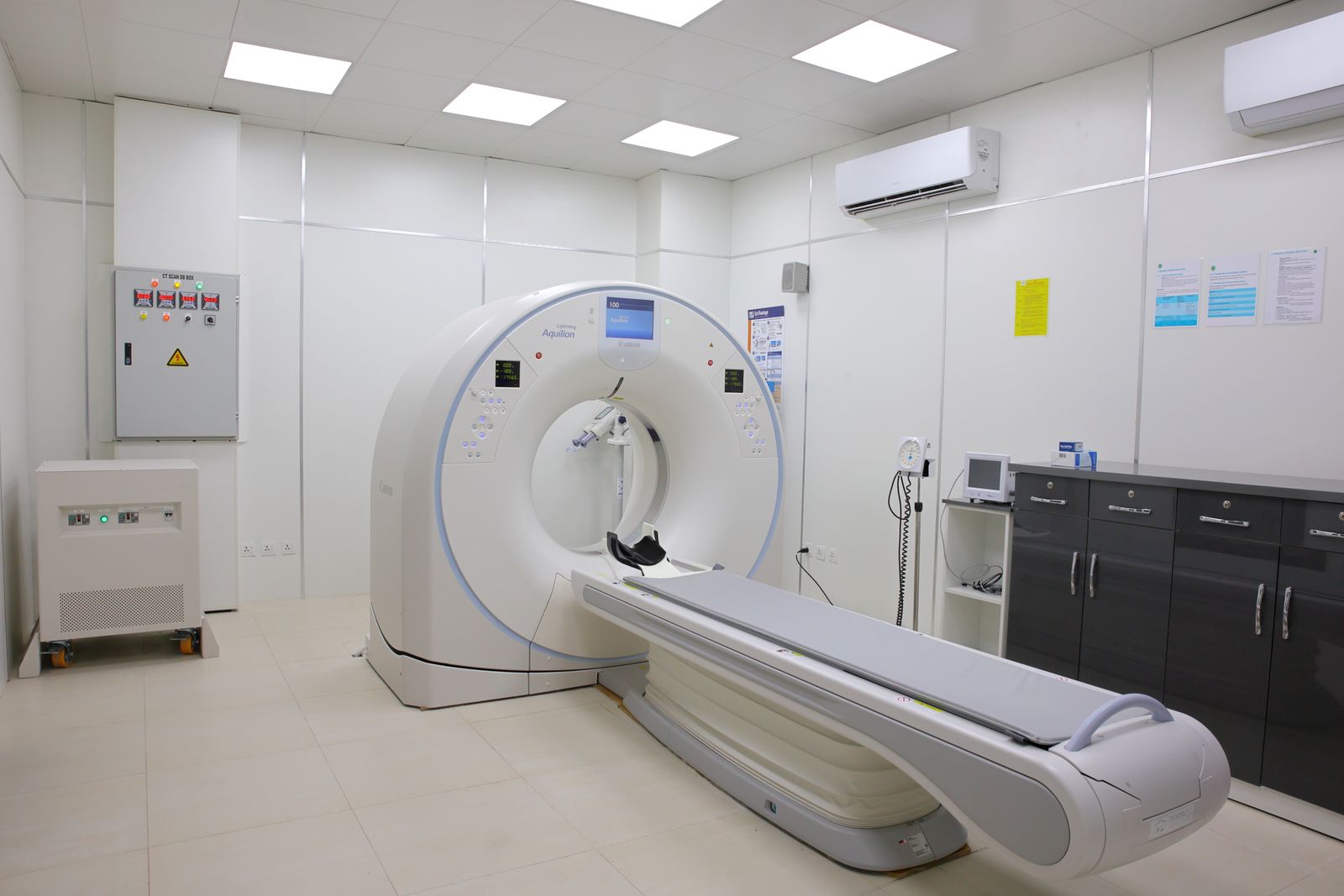
India is one of the world's largest medical tourism destinations, with government-supported infrastructure and a significant number of NABH (National Accreditation Board for Hospitals) and some JCI (Joint Commission International)-accredited facilities meeting internationally recognized quality and safety standards. Kerala specifically has invested in Ayurveda-focused accreditation and certification schemes on top of this broader framework.
Standard travel precautions apply: drink bottled or properly filtered water, avoid ice of unknown origin, and choose well-cooked food, particularly in the first few days as your system adjusts. Most reputable clinics and hospitals catering to international patients maintain high hygiene standards in food preparation specifically because they serve international guests regularly.
Kerala specifically has a reputation as one of India's safer states for travelers, with relatively low crime rates in the areas where most Ayurveda centres are located. As with travel anywhere, standard precautions apply — secure valuables, use reputable transportation, and stay aware of your surroundings, particularly at night in unfamiliar areas.
Always check your own government's official, current travel advisory for India before finalizing non-refundable bookings — conditions in specific regions can change, and this is the single most reliable source for up-to-date safety guidance, more so than any third-party blog or wellness marketing.
Kerala generally has a reputation as one of India's safer and more tourism-experienced states, but standard travel precautions still apply as they would in any country, and you should check your government's current official travel advisory before booking.
Reputable Ayurveda centres can typically refer you to nearby conventional hospitals for anything outside their scope — ask about this specifically during booking, and make sure your travel insurance covers this scenario.
Recommendations vary by traveler and current guidance — consult a travel health clinic or your doctor well before departure rather than relying on general assumptions.
Bottled or properly filtered water is generally recommended for travelers, the same precaution applied in many countries, rather than drinking tap water directly.
Ask directly about NABH accreditation or equivalent certification, request physician credentials, and look for independent reviews from previous international patients rather than relying solely on the clinic's own marketing materials.